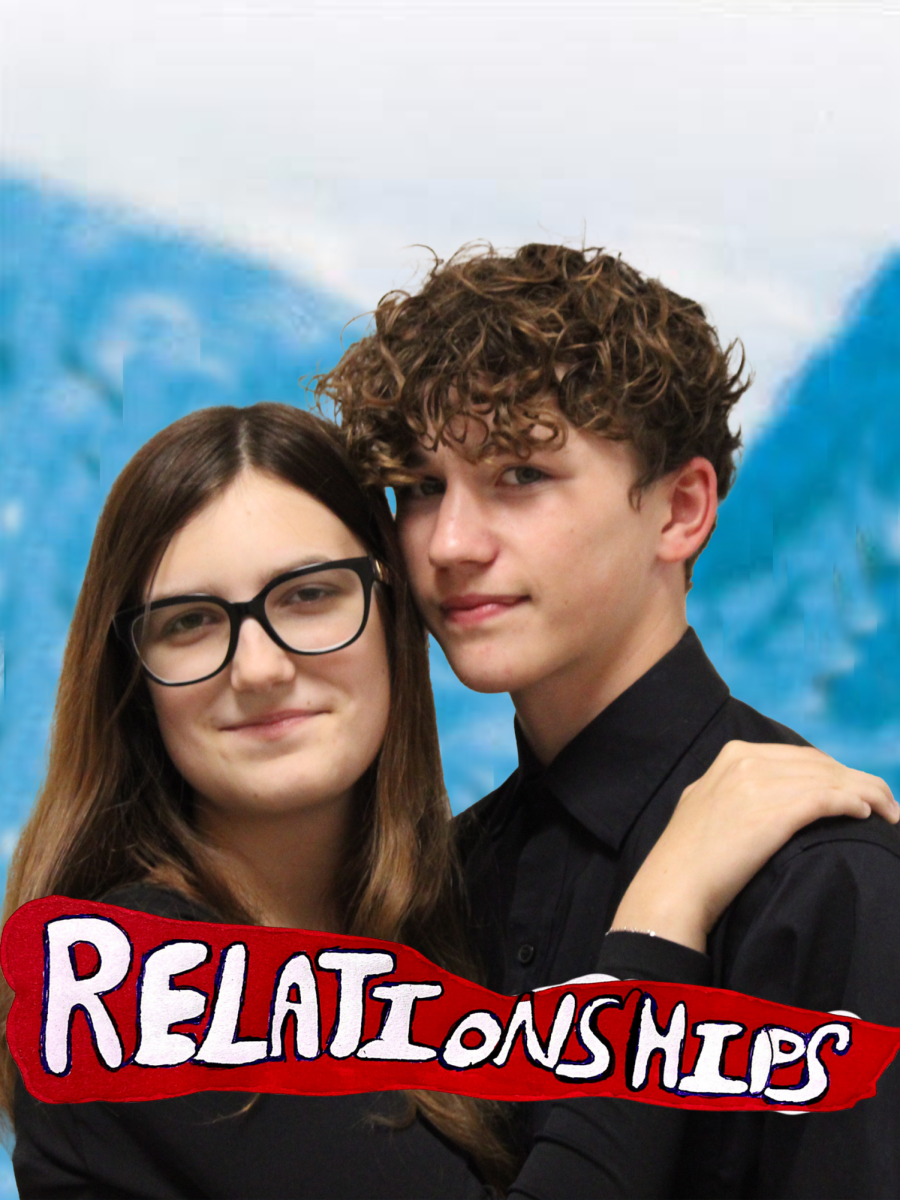
“I was unconditionally and irrevocably in love with him.”
Bella’s words from Twilight rings true for any first love in high school, but they don’t always last.
In a school of close to 2000 students, there are a lot of potential romantic partners. As teenagers mature, romance is much more important to them and couples start to get together and make long term plans.
According onlinedivorce.com, there are many pros to having healthy relationshps. Some of those pros include increasing self-esteem, improving social status, gaining support and companionship, and helping better understand what kind of partner to look for in the future.
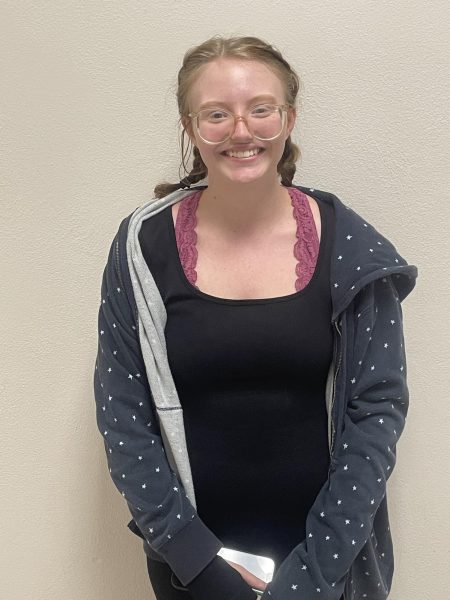
Sophomores Payton Dawson and Christopher Miller are currently dating, and have been since last school year. Dawson says that her relationship has helped with her communication skills.
“Communication, specificallly expressing emotion a lot, and having good emotion, like not hiding things from each other,” Dawson said.
Miller agreed with Dawson and said that he has had to develop better communication skills to maintain a positive relationship.
“Actually talking (to your significant other is important) because some people will talk for like an hour, and then ignore each other for the rest of the day. You have to actually talk to the person and hang out with them every once in a while,” Miller said.
According to Psychology today, 25-30% of high school sweetheart relationships do manage to stay together for a few years post-graduation, however, they don’t often end up in marriage. The key to dating in high school is learning how to understand adult romantic relationships.
The article mentions important skills that can be gained like strong communication skills, shared goals and values, and support systems.
While positive relationships can be good, there are also negatives to focusing on dating in high school. The same article mentioned a decline in academic performance, risk of alcohol use and smoking, and possible dating violence and aggression.
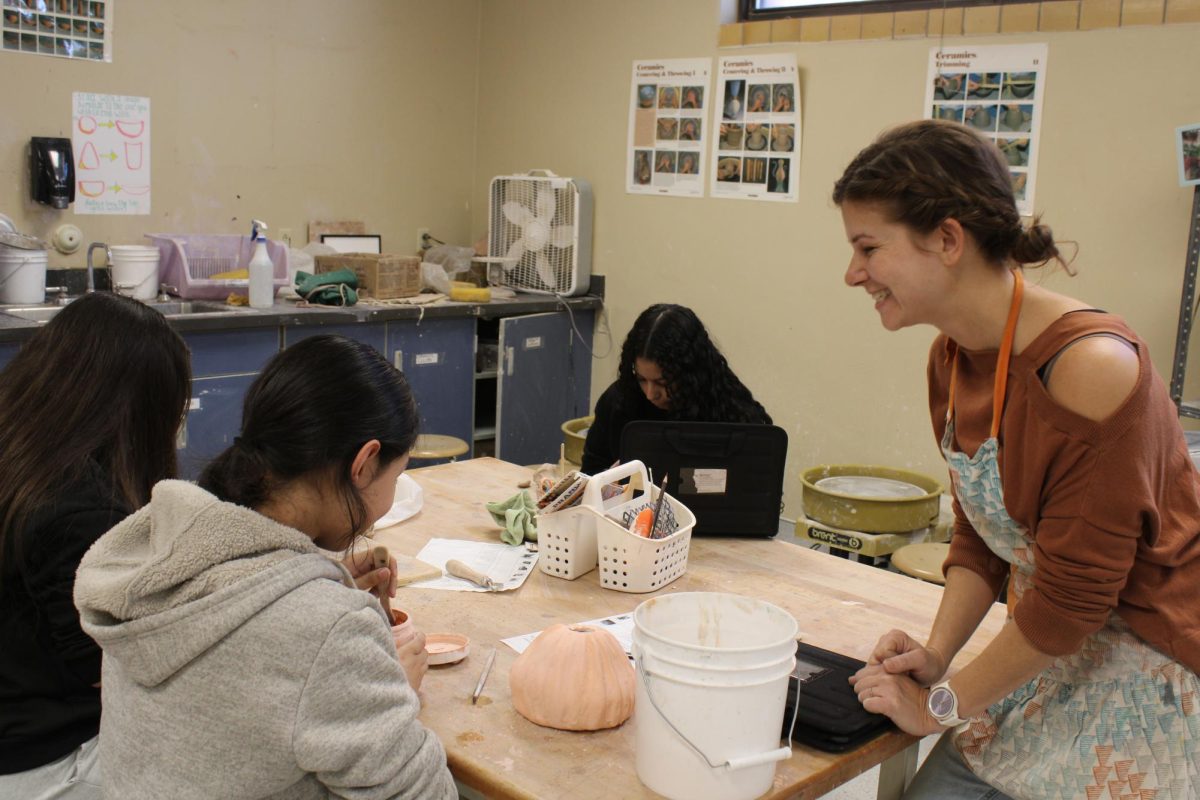
Family and Consumer Science teacher Mia Schindler focuses a unit on family relationships. Much of what she discusses focuses on the red flags of bad relationships.
“There are things like violent displays or alcoholism/drug addiction that are huge red flags,” Schindler said. “Aside from that, things like being controlling behavior, a lot of jealousy or distrust, gaslighting (making you question your own sanity), love bombing (showering with praise to manipulate), breadcrumbing (giving just enough encouragement to continue the relationship), etc. are super common ones and the kinds students speak of a lot.”
Schindler also talks about actions that high school students might think are good, but are actually a problem.
“There are also many times I hear people say, “he/she is just being overprotective, which is a huge red flag. In a healthy relationship you should trust each other even though it can be scary if you have had trust broken in the past,” Schindler said.
Even though there can be problematic behaviors and not all high school relationships will last, it is an important experience for high school students.
“I mean, you get more friends and more variety of people to talk to,” Dawson said. “Don’t get with someone toxic, and don’t settle for the bare minimum.”